Why Every Long Island Solar System Should Have Pest Protection Installed
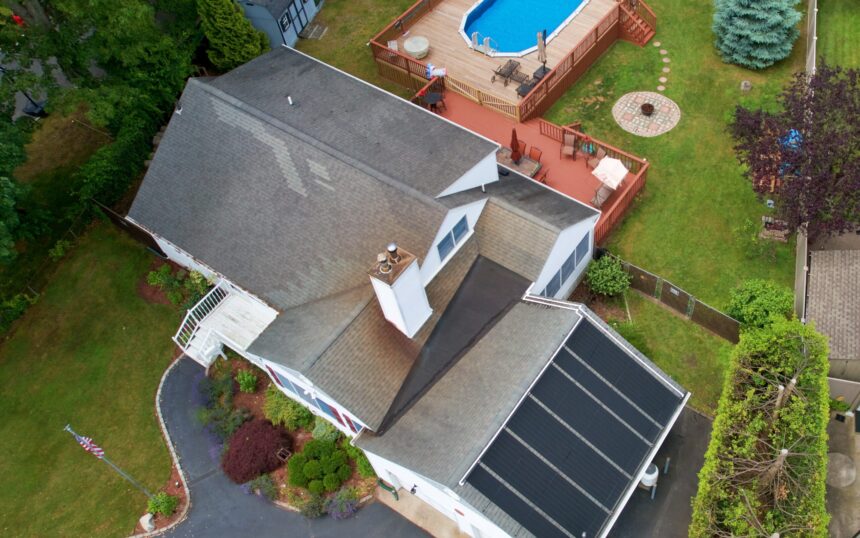
Solar panels are designed to last for decades, but one of the most overlooked threats to their longevity is pest damage. On Long Island, birds, squirrels, and rodents frequently nest beneath solar panels, where they can chew wiring, trap debris, and cause costly system failures. Without proper protection, even a brand-new solar installation can be vulnerable.
At Sunshine Plus Solar, we’ve seen firsthand how preventable pest issues can lead to expensive repairs and unnecessary downtime. Installing pest protection is one of the smartest steps homeowners can take to safeguard their solar investment.
Why Long Island Homes Are Especially at Risk
Long Island’s mix of suburban neighborhoods, mature trees, and wildlife creates the perfect environment for animals to access rooftops. Once solar panels are installed, the space beneath them becomes an attractive shelter that animals quickly discover.
Common Long Island solar pests include:
- Squirrels
- Birds (especially pigeons and starlings)
- Rodents
- Raccoons
Even homes without previous pest problems can experience issues after solar installation.
The Hidden Damage Pests Can Cause Under Solar Panels
Pest activity under solar panels can lead to more than just noise or debris. Common problems include:
- Chewed electrical wiring
- Exposed conductors and fire hazards
- Blocked airflow reducing panel efficiency
- Roof and gutter damage from nesting materials
- System shutdowns and inverter errors
In many cases, homeowners don’t notice the damage until solar production drops or the system stops working altogether.
Why Solar Systems Often Lack Pest Protection
Most solar installations do not include pest protection by default unless it’s specifically requested. While panels and mounting systems are engineered for durability, manufacturers typically do not protect the underside of the array from wildlife intrusion.
This leaves a critical gap that pests can easily exploit.
Pest Protection Is Preventative, Not Reactive
The biggest advantage of pest protection is prevention. Once animals move in, removal, cleanup, and repairs can become far more expensive than installing protection upfront.
A professionally installed solar critter guard:
- Seals the perimeter of the array
- Blocks animals from entering
- Protects wiring and roof surfaces
- Does not affect solar performance
- Requires little to no ongoing maintenance
Does Pest Protection Affect Solar Output?
No. When installed correctly, pest protection systems:
- Maintain proper airflow
- Preserve panel efficiency
- Remain visually discreet
- Do not interfere with monitoring or maintenance
They are designed to protect the system without impacting energy production.
Insurance Often Doesn’t Cover Pest Damage
Another important consideration is insurance. Many homeowners insurance policies limit or exclude coverage for damage caused by animals, especially when it’s considered preventable.
Installing pest protection helps reduce the risk of denied claims and unexpected out-of-pocket expenses.
Why Pest Protection Is a Smart Long-Term Investment
Compared to the cost of repairing chewed wiring, removing panels, or losing energy production, pest protection is a small investment that delivers long-term peace of mind.
For Long Island homeowners, it’s one of the most cost-effective upgrades available for solar systems.
Protect Your Solar System From Day One
Solar panels are meant to provide clean energy and savings for decades — but only if they’re protected. Pest protection ensures your system stays safe, efficient, and reliable year after year.
To learn more about solar pest protection or critter guard installation, visit https://sunshineplussolar.com/ and speak with the Sunshine Plus Solar team.