

Solar Battery Backup Systems: How They Work & When You Need One
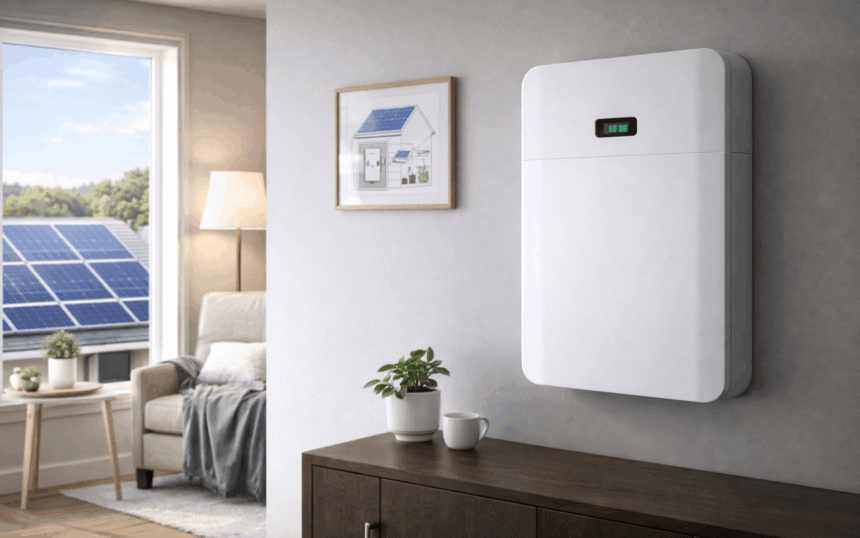
Solar panels are an excellent way to reduce electricity costs, but many homeowners wonder what happens when the power goes out. This is where solar battery backup systems come into play. Battery storage allows homeowners to store excess solar energy and use it during outages, at night, or when utility rates are highest.
Understanding how solar batteries work — and when they’re worth adding — helps homeowners make informed decisions about energy security and independence.
What Is a Solar Battery Backup?
A solar battery backup is a rechargeable energy storage system that captures excess electricity produced by your solar panels. Instead of sending all unused power back to the grid, the battery stores it for later use.
When grid power goes down, the battery automatically supplies electricity to designated circuits in your home, keeping essential systems running.
How Solar Batteries Work with Your Solar System
During daylight hours, solar panels generate electricity. That energy is used in three ways:
- Powering your home in real time
- Charging the battery
- Sending excess energy to the grid (if applicable)
At night or during outages, the battery discharges stored energy to supply your home, reducing or eliminating reliance on the utility.
What Can a Solar Battery Power?
What your battery can run depends on its size and how your system is configured. Most homeowners prioritize essential loads, such as:
- Refrigerators and freezers
- Lighting
- Wi-Fi and electronics
- Medical devices
- Sump pumps
- Heating system controls
Larger or multiple battery systems can support additional appliances, including air conditioning and electric vehicle charging.
Benefits of Adding Battery Backup
Power During Outages
Battery storage provides uninterrupted power when the grid goes down, without the noise, fuel, or maintenance of a traditional generator.
Increased Energy Independence
With battery storage, homeowners rely less on utilities and have greater control over how and when they use electricity.
Better Use of Solar Energy
Instead of exporting excess power, batteries allow homeowners to use more of their own solar production.
Protection Against Rate Increases
Batteries can store energy when rates are low and discharge when rates are higher, reducing exposure to peak pricing.
When Does a Battery Backup Make Sense?
Battery storage is especially valuable if you:
- Experience frequent power outages
- Work from home and need reliable electricity
- Have medical or critical electrical equipment
- Want protection from rising utility rates
- Plan to expand into EV charging or electrification
While batteries add to upfront cost, incentives and long-term savings often offset the investment.
Battery Lifespan & Maintenance
Most modern solar batteries are designed to last 10–15 years or more, with warranties covering performance and capacity. They require minimal maintenance and are monitored digitally to ensure optimal performance.
Is Battery Backup Required for Solar?
No — solar panels can operate without batteries. However, without storage, most grid-tied systems shut down during outages for safety reasons. Adding a battery unlocks backup power and significantly improves system resilience.
Is Solar Battery Backup Worth It?
For homeowners seeking energy reliability, independence, and long-term savings, battery storage is an increasingly popular upgrade. As technology improves and costs decline, batteries are becoming a standard part of modern solar systems.